
Not-so-fun fact: Every three minutes, someone in the UK will lose their lives as a result of a heart or circulatory disease. These diseases affect over 7 million people in the UK every year, causing a quarter of all deaths and costing the NHS a whopping £12 billion (British Heart Foundation). And for many, these deaths are entirely avoidable. Changes to lifestyle and diet can prevent heart and circulatory diseases and can even reverse heart health problems. That’s why we want to do everything we can to make our hearts as strong as possible!
So here are our five top tips for a healthy heart:
- Diet
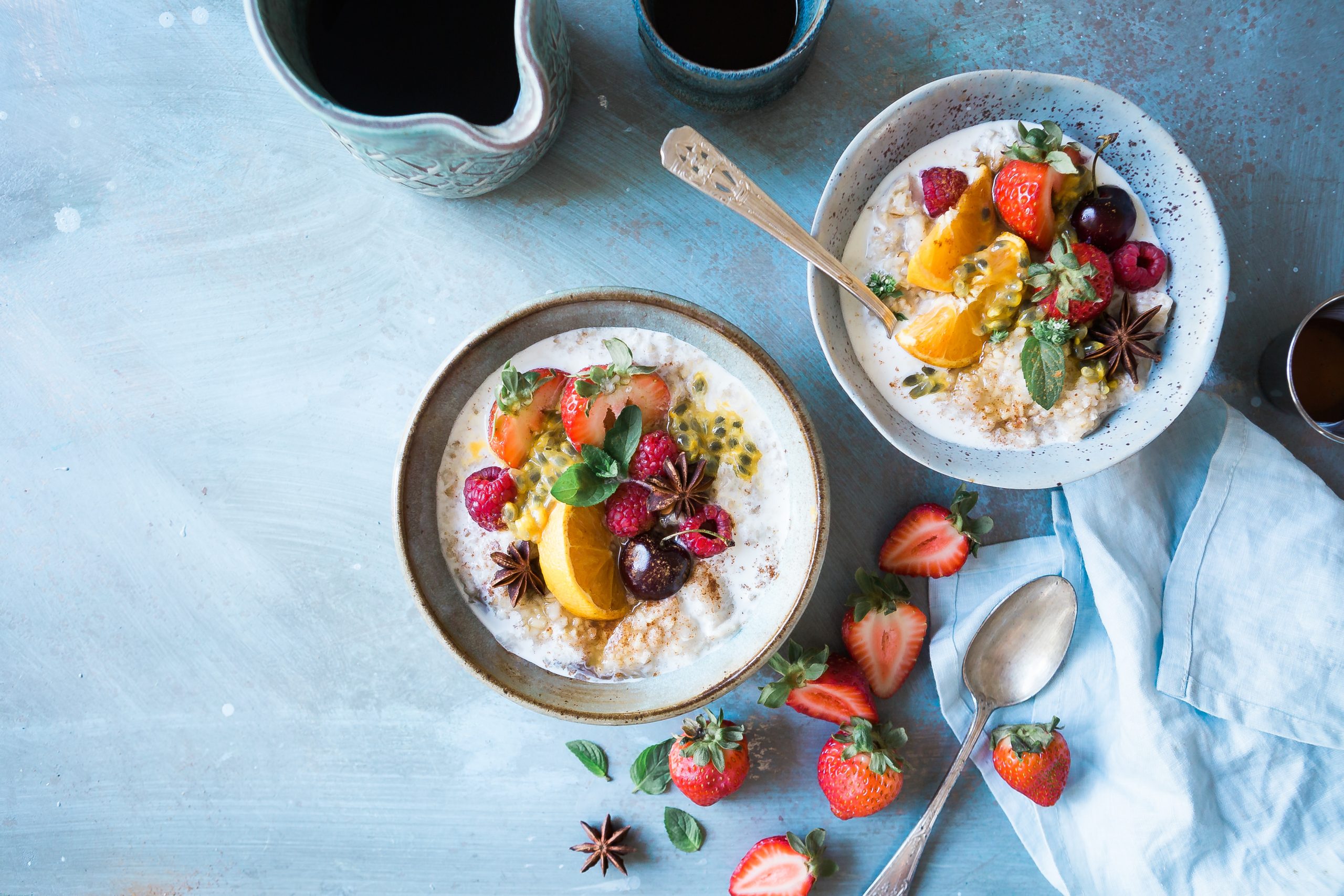
We all know that diet is important for a healthy heart – a well balanced diet can lower your risk of developing CVD, stop weight gain, reduce risk of diabetes and high blood pressure. Fresh fruit and vegetables should ideally form the bulk of your daily diet, alongside whole grains (grains such as barley, oats, buckwheat, quinoa, rye, spelt), some milk and diary products, meat, fish, eggs and beans. Fibre is also a cheap and effective way to reduce oxidised cholesterol – we recommend organic linseed, psyllium husks, rice bran or apple pectin. On the list to limit are sugar and processed foods – also try and cut back your intake of foods high in saturated fats, trans fats, salt and alcohol.
- Exercise
We don’t need to tell you (but we will anyway!) – exercise is one of the best things you can do for your heart. Just 30 minutes of exercise a day can help prevent CVD, lower your risk of high blood pressure, diabetes and stoke and maintain a healthy weight. It can also help reduce stress, tension and anxiety (see more on that below). If you’re not in tip top physical condition, don’t worry – a brisk walk still counts. So get out there and get your heart pumping!

- Quit smoking!
Smokers are almost twice as likely to have a heart attack compared to people who have never smoked. Smoking damages the lining of your arteries, causing fatty material to build up and narrow the artery, which can cause angina, heart attack or stroke. It also makes your heart beat faster and harder, which can raise your blood pressure and put you at risk of heart attack.
Stopping smoking is the single best thing you can do to help your heart. Once you do, you’ll be dramatically reducing your risk of heart disease and improving your overall health.
- Relax and laugh
One of our favourite tips for a healthy heart. Our emotional well-being is also thought to be linked to our heart health. Stress and anxiety may contribute to the overall risk of CVD, so it’s worth looking at your lifestyle to see whether you can help improve this. Try and identify what you are feeling and what is causing you to feel that way. If you can, make changes to reduce stress levels. Yoga, meditation and exercise can help, as well as plenty of sleep and a balanced diet. Laughter has also been found to help the heart – research suggests that it can increase blood flow by 20%, as well as reducing artery inflammation, and increasing good cholesterol.
- Nutritional supplements
While there’s no substitute for a balanced, healthy diet, there are a number of natural remedies that can help support cardiovascular health and may reduce your risk of CVD, in particular:
- Co-enzyme Q10 – a fantastic antioxidant, which is found in its highest concentration in the heart.[1] It may improve blood pressure and endothelial function.[2] Production of CoQ10 declines naturally with age and levels are depleted by statins,[3] so you may find it necessary to take a supplement if you’re feeling fatigued. We’d recommend Terranova’s CoQ10 and also Viridian’s Co-enzyme B Complex.
- Magnesium – a great one for heart health, magnesium helps to regulate blood pressure, and is necessary for normal blood clotting. We love this heart-friendly complex made by Terranova, with CoQ10, hawthorn and magnesium.
- Vitamin K2 – This vitamin is renowned for its reduction in coronary disease risk, due to its ability to help with arterial stiffness and normal blood clotting. It may also aid the prevention of vascular calcification.[4] We love this one by Terranova, with ingredients like MCT powder to help with absorption.
- Vitamin B3 – Vitamin B3 can help with cholesterol management through the regulation of lipids in the blood. Research has shown it to significantly reduce the risk of cardiovascular events such as heart attacks and strokes, as well as reducing atherosclerosis, a disease in which plaque builds up in your arteries.[5] We like this Viridian High Potency B3. We also love a B-Complex (like the Viridian one listed above), as this has the benefit of the full range of B Vitamins, such as B12, B6 and folate, which are helpful in reducing homocysteine, which can be detrimental to the heart if too high.
- Omega 3 – omega 3 essential fatty acids are also supportive of heart health. These can be found in oily fish like salmon, sardines and mackerel, or can be taken in supplement form. If you’re not eating 2-3 portions of oily fish a week, a supplement may be useful. The evidence suggests that taking a fish oil supplement with EPA and DHA in a dose of approximately 1000mg daily for those with cardiovascular disease, and 500mg for those without, can reduce future risk.[6] We love Wiley’s Finest fish oil, especially their Cholesterol Support formulation with plant sterols.
- Plant Sterols – Plant Sterols are made from phytosterols – a natural compounds present in whole grains, legumes, vegetables, fruits and other plant foods. Alongside a healthy diet, they may contribute to reducing cholesterol and triglycerides. A University of Manitoba study on Cardiosmile’s Plant Sterols found that it reduced LDL cholesterol by 12%, increased HDL by an average of 3%, and lowered triglycerides by 14%.
- Curcumin – Curcumin, the compound which gives turmeric its yellow colouring, helps to reduce systemic inflammation in the body, improving endothelial function and reducing blood pressure. As well as their Curcumin Complex, Viridian make a delicious Curcumin Latte, which you can make into a hot drink.

We are here to help – if you have any questions about our tips for a healthy heart, or other supplements that may help, please contact us. Please note, this blog should not be taken as medical advice – if you have any health concerns or are taking prescribed medication, please consult your GP.
References
[1] Fotino, A. D., Thompson-Paul, A. M., & Bazzano, L. A. (2013). Effect of coenzyme Q10 supplementation on heart failure: a meta-analysis. The American Journal of Clinical Nutrition, 97(2), 268–275. http://doi.org/10.3945/ajcn.112.040741
[2] Reza Tabrizi, Maryam A Nasrin Sharifi et. al, (2018) The Effects of Coenzyme Q10 Supplementation on Blood Pressures Among Patients with Metabolic Diseases: A Systematic Review and Meta-analysis of Randomized Controlled Trials, High Blood Press Cardiovasc Prev 25:41–50
[3] Deichmann, R., Lavie, C., & Andrews, S. (2010). Coenzyme Q10 and Statin-Induced Mitochondrial Dysfunction. The Ochsner Journal, 10(1), 16–21.
[4] Tsugawa N (2015) Cardiovascular Diseases and Fat-Soluble Vitamins: Vitamin D and Vitamin K. J Nutr Sci Vitaminol (Tokyo). Suppl:S170-2. doi: 10.3177/jnsv.61.S170.
[5] Ganji SH, Kamanna VS, Kashyap ML (2003) Niacin and cholesterol: role in cardiovascular disease (review). J Nutr Biochem.
[6] Lavie CJ, Milani RV, Mehra MR, Ventura HO. Omega-3 polyunsaturated fatty acids and cardiovascular diseases. J Am Coll Cardiol. 2009 Aug 11;54(7):585-94.