
Unless you’ve been living under a rock for the last couple of years, chances are you will at least have heard of the names Ozempic, Wegovy and Mounjaro. While weight loss medications like these might first have come onto your radar in the context of A-list celebrities showing off incredible weight loss transformations, GLP-1 receptor agonists (aka weight loss drugs) are becoming increasingly commonplace – Ozempic is now one of the world’s best-selling drugs worldwide, with sales recorded at $13.9 billion in 2023. In the UK, at least 1.6 million people have tried weight loss medication in the past year, with Mounjaro being the most popular option. We probably all know someone who’s currently on weight loss medication, and their use is set to become even more widespread as obesity in the UK rises.
Perhaps you’ve wondered about weight loss drugs yourself, and are unsure about the options. How do they work? Are they really safe? And are there more natural alternatives out there?
In this article we’re going to dive into all these topics, and most importantly, explore how you can support your body naturally for sustainable weight management.
What is GLP-1?
GLP-1 (glucagon-like peptide-1) is a hormone released in your gut when you eat. It plays a key role in regulating both blood sugar and appetite. Its main functions include:
- Stimulating insulin release (which helps to regulate blood sugar)
- Reducing glucagon (which raises blood sugar)
- Supporting a smoother rise in blood glucose after meals
- Slowing gastric emptying (helping you feel fuller for longer)
In simple terms, GLP-1 helps your body manage food intake and energy balance more effectively.
While all foods stimulate the release of GLP-1, certain foods increase it more than others – high protein foods such as chicken and eggs, dairy, healthy fats, and soluble fibre like oats and lentils can all increase GLP-1, so it’s great to include more of these in your diet.
Why are GLP-1 weight loss drugs so popular?
Originally developed for managing type 2 diabetes, GLP-1 medications are now widely used for weight loss.
They work by mimicking the effects of natural GLP-1, but in a much stronger and longer-lasting way. This leads to:
- Reduced appetite
- Fewer cravings (“food noise”)
- Increased feelings of fullness
In the UK, access through the NHS is currently limited to individuals with obesity and related health conditions, but usage is growing rapidly worldwide.
Things to consider before choosing medication
While these medications can be effective, there are a few things to consider before you start taking them, like side effects, nutritional considerations and your relationship with food. So let’s dive in:
Potential side effects
- Digestive discomfort (nausea, bloating, constipation)
- Gallbladder issues
- Rare but serious risks involving the pancreas or thyroid
- Possible impact on mood or mental wellbeing
Your doctor or prescribing physician should be able to talk you through the potential side effects and whether weight loss medication is right for you.
A key concern: muscle loss
Weight loss isn’t just about shedding fat – without proper nutrition, muscle mass can also decrease. This can affect metabolism, strength, and long-term health, so we definitely want to avoid this where possible. This is another reason why a balanced diet is going to be key for those on weight loss medication, in particular ensuring you’re getting adequate dietary protein.
Behaviour vs. suppression
GLP-1 medications reduce appetite, but they don’t change underlying habits or your relationship with food. This means:
- Old patterns can return when you stop medication
- Weight regain is common without lifestyle support
So ask yourself honestly – how is your relationship with food? It’s definitely worth spending some time exploring this, and asking yourself whether you’ll need extra support when you come off the medication (and, ideally, before!).
If you’ve got or have history of an eating disorder, it’s really important to discuss this with your doctor before taking the drug.
Nutritional considerations
Because appetite is reduced, people often eat less overall – but less does not always mean better!
This can lead to:
- Low protein intake (affecting muscle maintenance)
- Reduced vitamin and mineral intake
- Digestive issues due to slower gastric emptying
As a result, it’s crucial to make sure that the foundations of nutrition are in place when taking weight loss medication. We would recommend a good quality multivitamin, an omega oil, and microbiome support, alongside adequate protein intake, for anyone on weight loss medication.
Come and have a chat to us to find the best options to suit your specific needs.
Can you support weight loss naturally?
Perhaps you’re not quite sold on the weight loss medication yet, and would like to try to do things naturally first.
While natural approaches won’t replicate the effects of medication, the good news is that they can support your body’s own GLP-1 response and help with long-term, sustainable weight management.
Here are a few things to consider when it comes to weight management:
- Fibre: the foundation
Over 94% of us in the UK don’t get the recommended amount of fibre from our diets (30g per day). Yet fibre is one of the most powerful tools for appetite and metabolic health!
Benefits include:
- Supporting gut microbiota
- Improving blood sugar balance
- Enhancing natural satiety signals
Fibre rich foods include lots of fruit and veggies (especially those with the peel on), legumes, beans, nuts and seeds.
Gentler fibres like acacia and baobab can be especially helpful, particularly for those with sensitive digestion or IBS.

2. Blood sugar support
Keeping blood sugar stable helps reduce cravings and supports hormone balance. Opting for unrefined, complex carbs (think wholegrains and root veg) rather than simple sugars is going to help with this, plus making sure you’re getting sufficient protein with every meal.
There are also a couple of ingredients which can also be super useful for blood sugar balance:
- Ceylon cinnamon may improve insulin sensitivity and has been shown to support GLP-1 activity
- Fenugreek may help regulate blood glucose and appetite
These are simple additions that can make a meaningful difference over time.
3. Supporting metabolic health
Chronic inflammation and poor metabolic health can make weight loss more difficult. Addressing inflammation can therefore be useful when it comes to weight management.
Helpful anti-inflammatory, antioxidant-rich ingredients include:
- Curcumin (from turmeric) for inflammation
- Olive fruit extract, rich in antioxidants and supportive of metabolic health
4. Managing “food noise”
For many people, weight gain isn’t just physiological – it’s behavioural and psychological. It’s important to remember that while being on weight loss medication may reduce your appetite while you’re on it, it won’t address the underlying relationship you have with food.
For some, once they’ve come off the medication, the same issues with food will crop up again. So it’s important to address that relationship with food before embarking on any weight loss journey. This might mean seeing a nutritional therapist or therapist.
Natural supports may include:
- Carob, which may help regulate blood sugar and support satiety
- Nutrients that support insulin sensitivity and hormonal balance
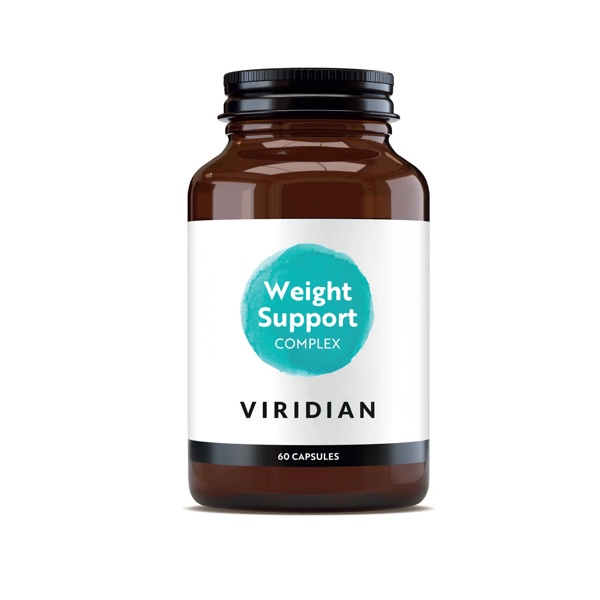
We love Viridian’s Weight Support Complex, which comes with a booklet written by nutritionists to support a more sustainable weight management journey. It contains carob, curcumin, olive fruit extract and cinnamon for balanced blood sugar, support with cravings and inflammation.
A smarter approach to weight loss
Whether you’re considering medication or looking for alternatives, the most effective strategy focuses on long-term health – not just short-term results.
The key pillars:
- Balanced, nutrient-dense nutrition
- Adequate protein intake
- Gut health support
- Blood sugar regulation
- A sustainable relationship with food
Final thoughts
GLP-1 medications are powerful tools, which can have a massive impact on people’s lives. However, they’re not a magic fix, and don’t come without their side effects, so it’s important to consider whether they’re right for you.
If you do decide to go ahead, it’s important to make sure you’ve addressed any underlying relationship with food, and are supporting yourself nutritionally for sustainable weight management, and to build lasting habits.
Need support?
At the good health boutique, we don’t just focus on products – we focus on helping you build a sustainable, personalised approach to weight management.
If you’re unsure where to start, we’re here to help! Come and have a chat with us in store to see how we can help.
About the author
Suzy Shinner is a Nutritional Therapist specialising in female hormone health. To find out how she can help you, get in touch and book in for your free 30-minute consultation.